
 Home
Home


Why is the “I can’t” mindset harmful? Useful insights by mSchool digital learning platform
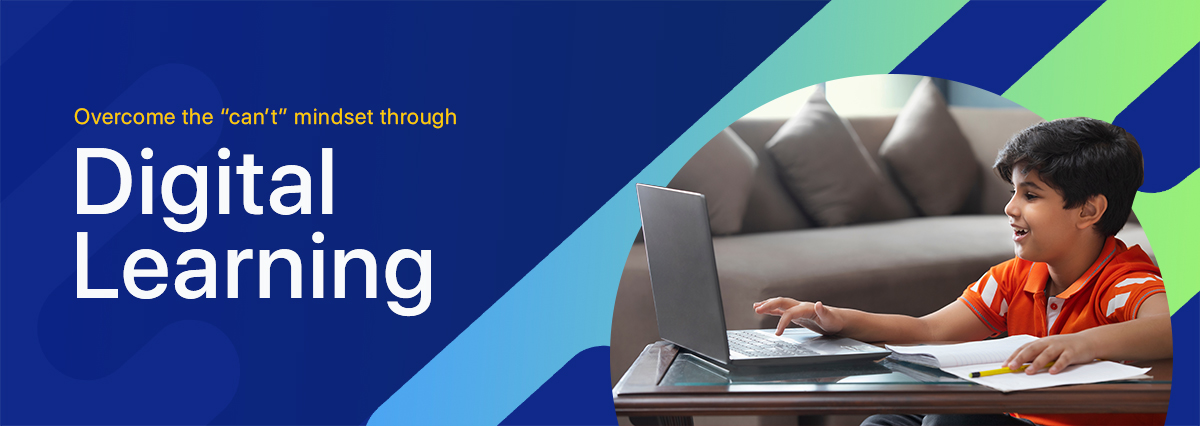
Have you ever thought to yourself, “I can’t do this” when faced with a challenging equation or a difficult project? It’s a feeling that many students experience at some point during their academic journey. Whether it’s the fear of failure, a lack of confidence, or simply feeling overwhelmed, these thoughts can make tackling tasks seem impossible. Furthermore, this mindset could be holding you back from reaching your full potential. Fortunately, with the right approach and tools, you can overcome this mindset and gain more confidence in your skills.
Here are some useful insights on why the “I can’t” mindset can be harmful and how to tackle it, from the experts at mSchool, a digital learning platform.
1. What is the “I can’t” mindset?
The “I can’t” mindset refers to a fixed belief that one’s abilities are limited or unchangeable. Students who adopt this mindset often shy away from challenges. They may believe that their effort won’t make a difference. This approach can create a vicious cycle of avoidance, frustration, and a lack of academic success. In contrast, a growth mindset is about believing that skills and intelligence can be developed. It promotes resilience and a willingness to tackle difficult tasks.
Unfortunately, the “I can’t” mentality is not uncommon, and it can have profound effects on a student’s academic journey. When students understand these effects and take steps to shift away from this mindset, it can help them reach their full potential.
2. Why is the “I can’t” mindset harmful to students?
| Harmful Effect | Description |
|---|---|
| Reduced academic performance | Students who often say “I can’t” are likely to give up when faced with challenges, which lowers their chances of success. As they avoid tasks, it can prevent academic progress and problem-solving |
| UPoor emotional well-being | Negative self-talk associated with this mindset leads to lower self-esteem, increased anxiety, and helplessness. It makes learning more difficult for students. |
| Lack of resilience and perseverance | Students with a fixed mindset tend to give up after failure, which reinforces the belief that they can’t succeed. This creates a cycle of avoidance and missed growth opportunities. |
| Stunted social development | This mindset limits participation in group work or discussions and discourages asking for help, which can hinder important social and collaborative skills. |
3. How can students break free from the “I can’t” mindset?
| Solution | Description |
|---|---|
| Embrace a growth mindset | Students must adopt the belief that intelligence and ability can grow with effort. It will help students tackle challenges and increase their perseverance. |
| Celebrate small wins | By breaking tasks into smaller, manageable steps, students can increase their chances of success. The small achievements can help improve confidence, motivation, and make progress over time. |
| Encourage positive self-talk | Students should focus on replacing negative thoughts, such as “I can’t”, with positive ones, such as “I can try”. They should aim to encourage a resilient mindset and a proactive approach to overcome challenges. |
| Make learning engaging and accessible | Online learning platforms for students, such as mSchool, offer interactive lessons and real-time feedback. By using these platforms, students can make learning more engaging and effortless. This will help students feel supported and confident. |
The “I can’t” mindset can have a significant negative impact on a student’s academic performance, emotional well-being, and social development. By shifting from a fixed mindset to a growth mindset, students can break free from self-doubt and build resilience.
Want more information on mSchool, the digital learning platform?
At mSchool, we understand that students face various challenges that can make them feel like they’re not capable of succeeding. Our platform aims to provide a supportive and engaging learning experience that helps students break free from this negative mindset. By offering tailored learning resources for CBSE students from Class 1 to 12, we provide the tools students need to develop confidence in their abilities and achieve their academic goals.
Here are the key offerings of our one-stop educational app:
- Interactive lessons: Our engaging, interactive video lessons help students stay focused and excited to learn.
- Instant feedback: Real-time feedback through assessments and question banks helps students identify areas for improvement and feel motivated to keep trying.
- Personalised learning paths: With mSchool, students can learn at their own pace and ensure they fully understand each concept before moving on to the next.
- Supportive community: Students can interact with experts and clear their doubts in real time with the “Ask a Doubt” feature.
To enjoy the features of digital learning platform, register today.


 Previous Post

Leave a Comment